Solar Energy in Portugal: All You Need to Know
 Portugal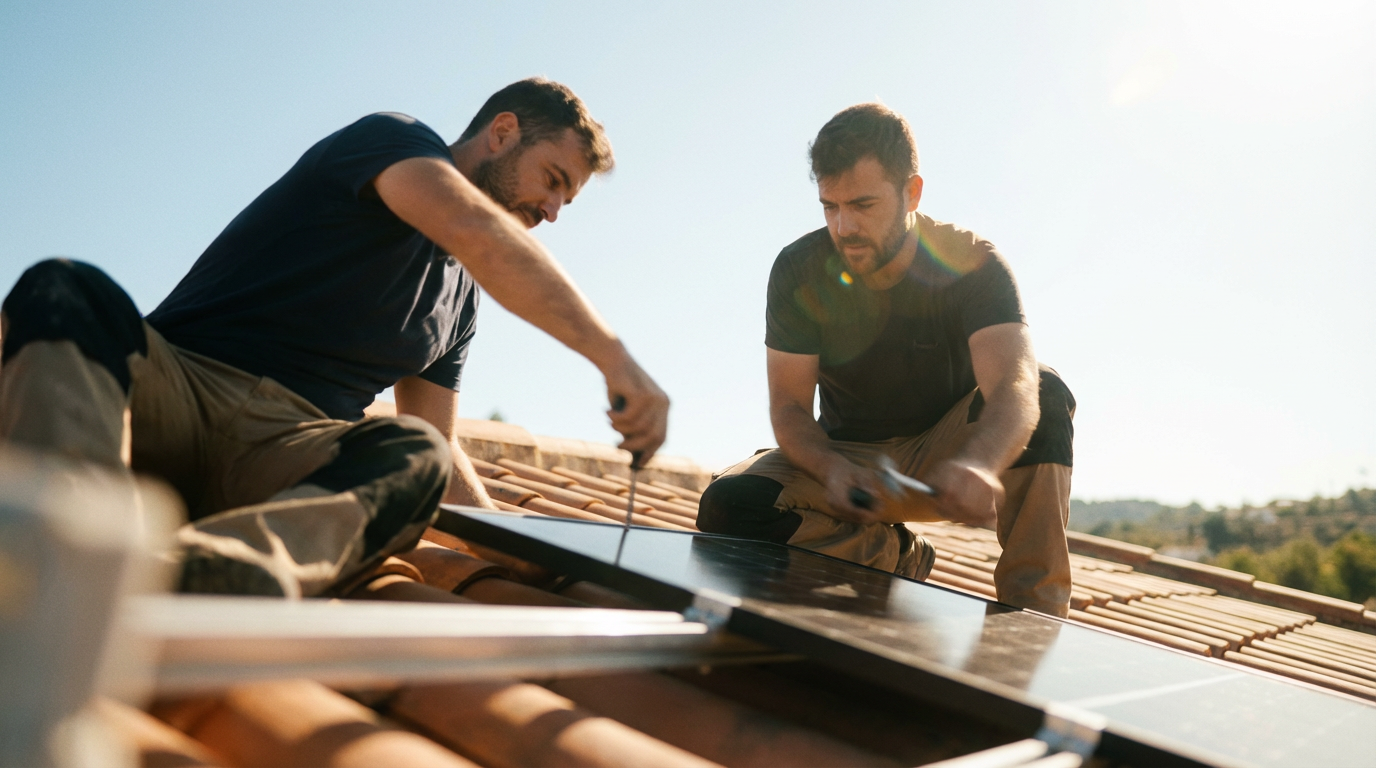
Portugal is friendly to home solar. There’s plenty of sun, electricity prices matter, and the rules now make it straightforward to use what you produce and get paid for any extra. This guide explains how home solar works here, the choices you’ll face, how money and timing usually play out, and when waiting—or going smaller—might be smarter.
In short
Right-size your system for daily needs and register surplus for credits. Add a battery later if nights matter most. A good layout and inverter choice beat chasing the highest panel wattage. Track net cost, not just headline savings.
How home solar works here
A typical setup is simple: panels on your roof, an inverter on a wall (it turns DC from the panels into the AC your home uses), and a smart meter that records what you produce, consume, and export. During the day, your house uses solar energy first; the grid fills any remaining gaps. Suppose you produce more electricity than you need. In that case, the surplus is sent to the grid and compensated by your electricity supplier at an agreed-upon rate, which appears as a credit on your bill (this is not classic 1:1 “net metering,” but rather the sale of surplus under Portugal’s self-consumption rules).
Portugal refers to this as self-consumption (autoconsumo). Systems are registered as UPAC (Unidade de Produção para Autoconsumo). Collective options also exist: autoconsumo coletivo allows neighbors to share one system’s output with defined sharing rules. E-REDES (the national distribution operator) handles the technical side of low-voltage connections and makes sure your meter is configured correctly—at no cost to you when an upgrade is needed.
The three big choices: size, battery, and paperwork path
System size comes first. A good design considers your recent bills, your actual power usage (fridge, computers, pool pump, AC), and your roof (space, orientation, shade). Bigger isn’t always better. The sweet spot is a system that covers most daytime use on most days, without sending too much value to the grid at low export rates.
Battery or no battery comes next. A battery stores daytime surplus for evening use and can keep key circuits running during short outages. It also adds cost. If you use a lot of power at night—cooking late, summer AC after sunset, medical equipment—a battery can earn its keep. If you’re home most days and can run laundry and dishwashers in the sun, you can start without one and add later; many systems are sold battery-ready.
The paperwork path is the final step. Your installer handles the DGEG registration and grid notifications. Small UPAC systems often follow a prior notification / simplified registration route; larger ones need fuller registration and, above certain thresholds, certification before operation. Your supplier then sets up the surplus compensation contract so credits flow onto your bill.
What makes a roof “good” for solar
A south-facing orientation is ideal, but east–west layouts can work very well, capturing the morning and late-afternoon hours when homes are actually occupied. Minimal shade is best; if you have chimneys or trees, optimizers or microinverters keep one shaded panel from dragging down the rest. If you plan to replace your roof soon, do that first and install panels on the new surface—one scaffold, one mess, better long-term value.
Panels, inverters, and the small choices that add up
Today’s panels are durable across brands. Most gains come from a good layout and the right inverter for your roof. String inverters are cost-effective for simple arrays; microinverters/optimizers shine on complex roofs with partial shade. Ask your installer to provide two price quotes—one for the “standard” version and one for the “shade-friendly” version—and display the year-one production and 10-year savings side by side. You don’t need a spreadsheet marathon; you need a clear picture of value.
Batteries: comfort vs. cost
Batteries help you use more of your own power, make evenings cheaper, and bridge short cuts. A full-home backup is possible, but it costs more and requires careful sizing. If you love backup comfort or live with frequent small outages, look closely. If your grid is stable and your daytime electricity is reliable, many households are happy starting without storage and adding it later.
Shared and community solar
No private roof? Portugal allows collective self-consumption and renewable energy communities, where several neighbors share a single system’s output by mutual agreement (an EGAC, a managing entity, coordinates it). This works in condos and tight urban areas. A good partner will walk you through the building vote, engineering checks, and how shares appear on each bill.
Timeline and what to expect
From design request to switch-on, expect: a remote or on-site survey, a proposal, your go-ahead, registration with DGEG, meter checks by E-REDES, installation day, and commissioning. The total time depends on your town hall, grid scheduling, and season. A tidy single-slope roof moves faster than a complex one; summer peaks can slow dates. Good installers signal delays early and give you a new slot.
What you pay for
The price reflects the size, roof complexity, inverter choice, battery, and the time your team spends on registrations and grid coordination. A clean roof is cheaper; multiple planes and shade add design time and hardware. To keep costs sane, match size to your daytime use, avoid overbuilding just to export at low rates, and consider battery-ready wiring so you can expand later. Portugal’s framework is designed for self-consumption first; think “bill stability,” not “becoming a power plant.”
What solar does well (and what it doesn’t)
Solar is excellent at cutting daytime consumption and reducing exposure to price spikes. It pairs beautifully with efficient appliances and timers that run jobs while the sun is up. It isn’t a winter space heater, and it won’t eliminate fixed grid charges. It won’t keep the whole house on for days unless you design it for that from the start. Think of solar as a steady helper that makes your home more affordable and easier to run.
When waiting—or going small—makes sense.
There are honest cases to pause. If your roof needs replacing, fix that first. If it’s tiny or deeply shaded, collective solutions may be more effective than squeezing a few panels into poor conditions. If you plan to move within a year, avoid tying up cash in a large system you won’t enjoy; instead, install a modest array or wait. And if your budget only stretches to unproven parts, it’s better to save a bit longer and buy a system that will last.
Care and warranties
Panels carry long warranties and require little care—rain does most of the cleaning; a gentle rinse helps in dusty months. Inverters and batteries also have clear terms; keep them in writing with your design and permits. Most setups include an app that shows daily production and flags issues before you notice anything at the socket.
Summary
Portugal is an ideal location for solar energy. With a clear design, the right size, and simple registrations, you’ll cover much of your daytime use and receive fair credit for the rest. Batteries add comfort, but they’re optional and can wait. Collective options extend the benefits to apartments. Match the system to how you live—not to the biggest number on a brochure—and the sun will start working for you the day you switch on.
Takeaways
- Self-consumption (UPAC) reduces daytime bills; surplus is credited by your supplier, not net-metered 1:1.
- Size first, battery second: build for your routine; add storage when it earns its keep.
- Roof quality (space, orientation, shade) and inverter choice matter more than spec-sheet hype.
- Collective self-consumption can be effective for condos and small urban roofs.
- Registration is simplified for small systems; E-REDES configures the meter and confirms suitability.
- Watch the net price and payback based on your actual bills; avoid overbuilding just to export.
Settlewell can help
We help you find the right deal for you. Just go to the "Solar Panels" section on our website and fill out the form. Our trusted partner will reach out to you with a tailored offer.
Built by people who’ve moved abroad
Our team at Settlewell lives abroad - we know how challenging it can be to navigate the bureaucracy and service market in a new country. We’ve made it as easy as back home.

Questions? Answers.
Still have questions?
We use cookies to enhance your browsing experience, analyze site traffic, and personalize content. By clicking "Accept", you consent to our use of cookies. You can manage your preferences at any time.