Solar Energy in Spain: All you need to know
 Spain
Spain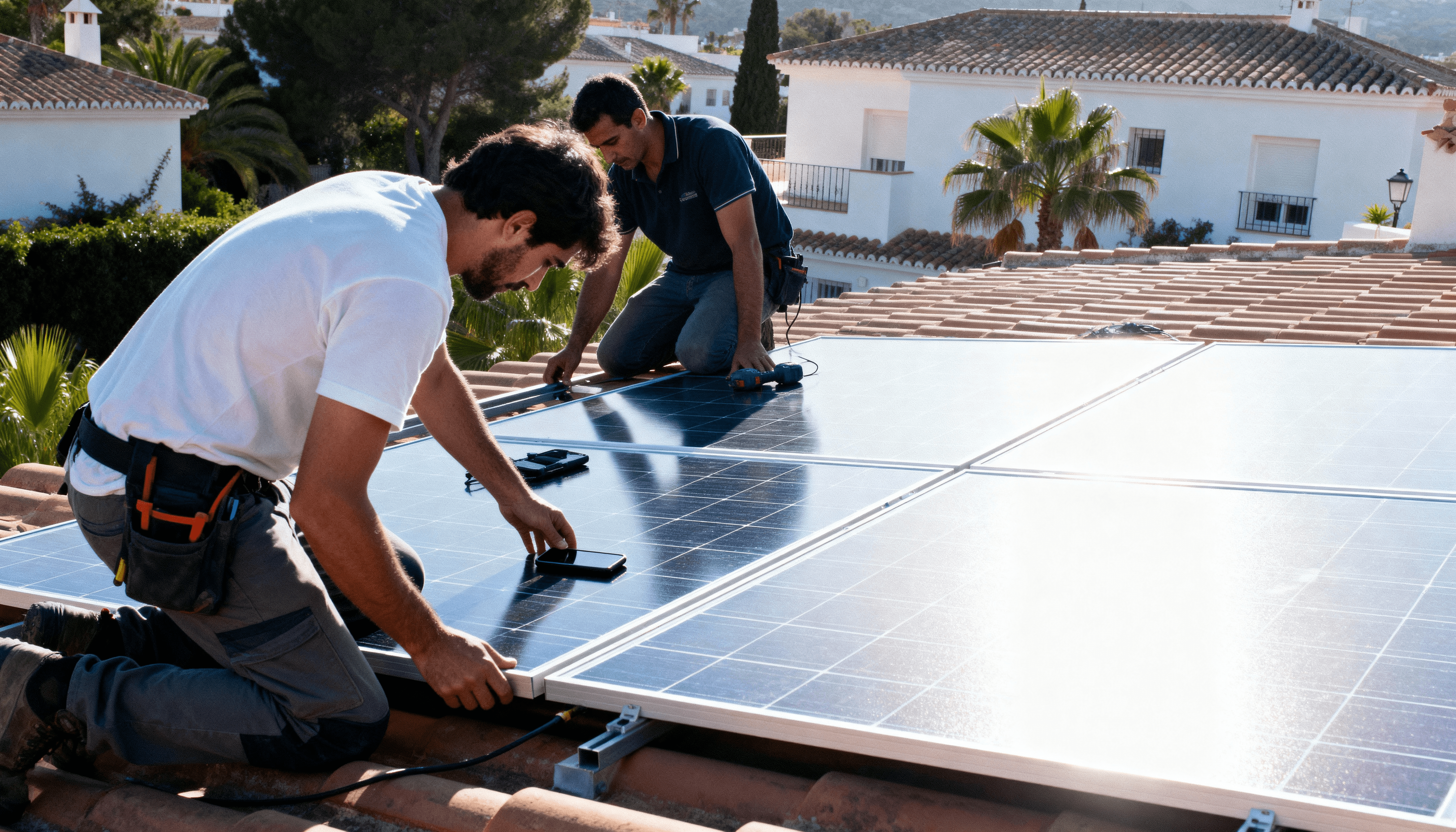
Spain is a good place for solar energy. Plenty of sun, electricity prices matter and rules now make it easier to use what you produce and get credit for any extra. This guide explains how solar energy works in Spain, the choices you'll face, how money and timing typically work, and when waiting or going smaller might be smarter.
In short
Size panels for your daytime use and send extra to the grid for bill credit. Consider a battery only if you need evening power or backup. Choose the right inverter for shade and let the installer handle permits and registration. Focus on net price and payback based on your real bills.
How home solar works here
A standard home system has panels on your roof, a meter that tracks what you produce and use, and—in many homes—an inverter on a wall that turns solar power into the electricity your house requires. During the day, your home consumes the energy that the panels produce first. If you need more than the panels are making, the grid tops you up.
In case you produce more than you use, the surplus is sent to the grid. You receive a credit on your bill (rules vary by region and supplier, but the benefit is reflected in a line on your statement). At night, you use grid power unless you have a battery.
This setup is called self-consumption (autoconsumo). You don't have to go off the grid. You simply reduce how much you buy and, with the right plan, you get paid or credited for what you share.
The three big choices: size, battery, and paperwork path
System size is the first decision. A good design considers your past bills, daytime usage (computers, fridge, pool pump, A/C), and your roof (area, direction, shade). The goal isn't "as big as possible." Instead, the goal is to be "big enough to cover what you use most days" without wasting value as surplus. Many homes fall between small and medium.
Battery or no battery comes next. Batteries store excess power for the evening and help during short outages. They also add cost. If your routine requires a lot of power at night—such as cooking late, using evening A/C, or using medical equipment—a battery can make sense. If you're home most days and can run the dishwasher and laundry during daylight hours, you may be able to do fine without one and add it later. It's common to build a system with battery-ready wiring so you can snap one in when you're sure.
The paperwork path is the last piece. For a typical home, your installer manages permits, grid registration, and the setup of surplus credit. Apartment buildings or shared rooftops can add steps to the community. However, the process is still manageable with a clear plan and a patient installer.
What makes a roof "good" for solar
South-facing panels are ideal, but east–west can work well because they catch more of the morning and late afternoon when many people actually use power. A sturdy roof with space and little shade is best. Shaded areas can be accommodated with microinverters or optimizers, which allow one panel under shade to perform poorly without affecting the overall performance of the array. If you plan to replace your roof soon, it's often smarter to do that first and install the panels on the new surface.
Panels, inverters, and the small choices that add up
Modern panels are efficient and durable. For most homes, the real performance gains come from layout and inverter choice, not chasing the highest panel wattage on paper. String inverters are standard and cost-effective; microinverters or optimizers help on complex roofs with partial shade. Ask your installer to show two options—"standard" and "shade-friendly"—with a simple, apples-to-apples comparison of year-one output and 10-year savings. You don't need a spreadsheet marathon; you need a clear picture of value.
Batteries
Batteries help you use more of what you generate, make evenings cheaper, and keep the lights on during short outages (for full-home backup, size and cost go up). They last many years with regular use, but they account for a big share of the budget. If you love the comfort of backup and do most of your living at night, a battery is worth a close look. If your life happens in daylight and your grid is stable, consider starting without one and revisiting it later. Many households are happy with a right-sized solar array and no battery at first.
Shared and community solar
If you live in a condo or rent a top-floor flat, you may be able to join a shared rooftop or a nearby community solar setup. The idea is simple: several neighbors pay for a shared system, and each one gets a share of the production on their bill. Rules vary by building and region, but a good partner will explain the building vote, the engineering checks, and how the credit is split. If you plan to move soon, ask if your share can be transferred to the next owner or bought out fairly.
What a realistic timeline looks like
From the moment you request a design, expect a site review (sometimes virtual), a proposal with design and savings, and a final check before you sign. Permits and any utility registration add time. Many homes receive panels on the roof within 6 to 10 weeks after approval is granted. However, this timeframe may vary depending on factors such as location, with installation sometimes occurring faster in smaller towns and slower during peak seasons. After installation, there's a brief inspection/commissioning, and then you start to see credits on your bill. If something runs late, it's usually due to a permit or a utility appointment—good installers tell you early and give you a new date.
What you pay for (and how to keep it under control)
The cost reflects the system size, roof complexity, inverter type, battery choice, and the time your team spends on permits and grid paperwork. A clean, single-slope roof is the cheapest to build; multiple planes and shade add design and complexity. To keep costs sensible, match the size to your daytime use, avoid overproducing just to "sell to the grid," and consider a battery-ready system that you can grow into rather than maxing out from the start. Suppose incentives or tax credits apply in your area. In that case, your installer will factor them in and clearly show them to you—focus on the net number and the payback based on your actual bills, not a perfect-sun fantasy.
What solar does well and what it doesn't
Solar is very effective at reducing daytime use, lowering your bill, and avoiding price shocks. It pairs well with efficient appliances and smart timers that run work while the sun is up. Solar isn't a whole-house heater in winter. It isn't a generator during week-long outages unless you design for that upfront. And it won't erase the fixed parts of your bill (meter rental and grid costs). Think of solar as a steady helper that makes the rest of your home more affordable.
When you might not need a big system (or any system yet)
There are honest cases where waiting—or going small—makes sense. If your roof needs replacing soon, handle that first and add solar afterwards. If your roof is tiny or deeply shaded, a shared/community setup may be a better value than forcing a few panels into bad conditions. If you're moving within a year, don't rush into a large installation you won't enjoy; consider a smaller array or wait. And if your budget only stretches to the cheapest option with parts you don't trust, it's better to pause, save a little more, and install a system that will last. You can always start modestly and expand later.
Care and warranty
Panels have long warranties and need little care. Rain does most of the cleaning; a gentle rinse in dry, dusty areas helps a few times a year. Inverters and batteries also carry clear warranties—ask for them in writing and store them with your design and permits. Most modern systems include monitoring via an app, which shows daily production and flags issues before you would ever notice them at the socket.
Summary
Spain is friendly to solar. With a clear design, a realistic system size, and simple paperwork, you can cover much of your daytime use and get fair credit for the rest. Batteries add comfort, but they are optional and can come later. Shared solar can serve flats and condos. The best results come from matching the system to how you actually live, not chasing maximum numbers on paper. Do that, and your bill steadies, your home feels modern, and the sun starts working for you the day you switch on.
Takeaways (quick recap)
|
Settlewell can help
We help you find the right deal for you. Just go to the "Solar Panels" section on our website and fill out the form. Our trusted partner will reach out to you with a tailored offer.
Built by people who’ve moved abroad
Our team at Settlewell lives abroad - we know how challenging it can be to navigate the bureaucracy and service market in a new country. We’ve made it as easy as back home.

Questions? Answers.
Still have questions?
We use cookies to enhance your browsing experience, analyze site traffic, and personalize content. By clicking "Accept", you consent to our use of cookies. You can manage your preferences at any time.